
Decluttering Without Making Rooms Feel Bare
March 2026
•
8 min read
•
Intermediate
The Balance Between Empty and Inviting
Minimalism doesn't mean your home should feel cold or sparse. That's the real challenge, isn't it? You want clean surfaces and breathing room, but you don't want to walk into a space that feels abandoned or uncomfortable. The trick is understanding that empty space isn't the same as barren space.
In Irish homes especially, where the weather keeps us inside for long stretches, this balance matters even more. Your space needs to feel like somewhere you actually want to spend time — warm, considered, and genuinely livable. We're going to explore how to strip away the excess while keeping the soul of your rooms intact.
The Real Decluttering Principle
It's not about removing everything until nothing's left. It's about keeping what actually matters and arranging it thoughtfully. Every object should either serve you or bring you genuine pleasure.
Start With What You Actually Use
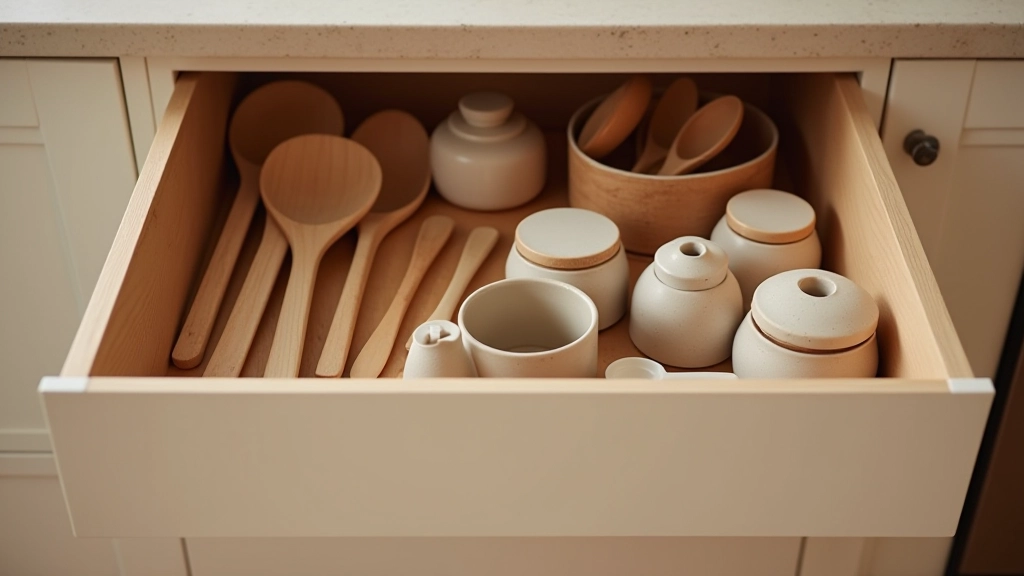
The first step isn't removing things — it's being honest about what you actually reach for. That bread maker you bought three years ago? The decorative bowls taking up cabinet space? If they're not part of your regular life, they're just clutter pretending to have purpose.
Work through each room with a simple question: Do I use this weekly, or does it genuinely make me happy when I see it? That's your threshold. Everything else goes. But here's what people miss — removing stuff too quickly leaves you feeling exposed. You need to replace the visual weight gradually, not all at once.
Start by clearing about 40% of what you own. Not 80%, not everything. Just enough to create space for intentional choices. You'll notice immediately that your remaining items have more presence, more purpose. The items you kept suddenly matter more because they're not competing for attention anymore.
Disclaimer: Room Size Matters
This approach works best in spaces where you've got at least some room to breathe. If you're in a compact Dublin apartment or small country cottage, you might need to be more strategic about what you keep and how you arrange it. The principles remain the same, but the execution adapts to your actual space. There's no one-size-fits-all formula — measure your walls, know your square footage, and adjust accordingly.
Related Reading
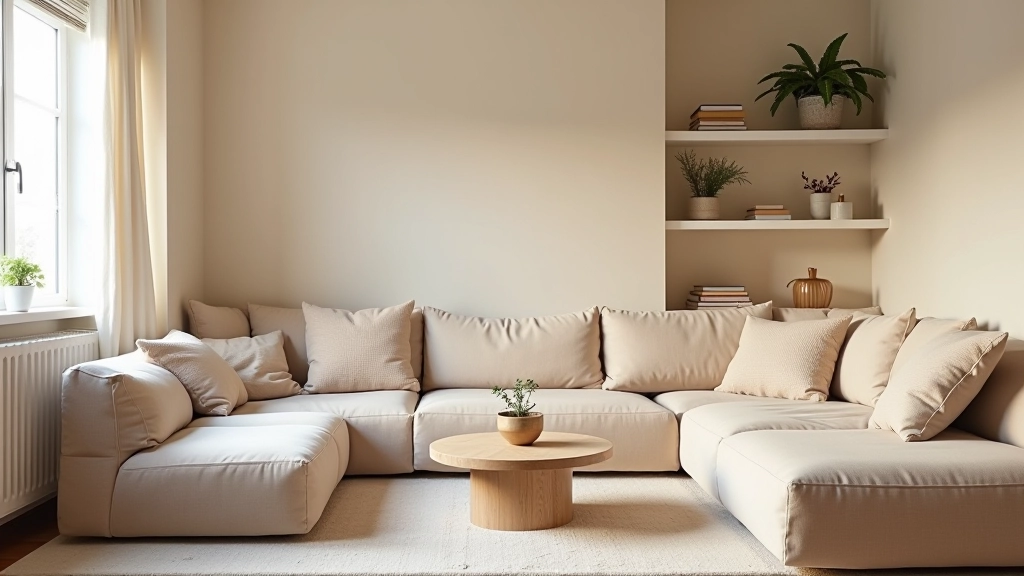
Soft Textiles and Natural Wood: Building Warmth
The key materials that make minimalist interiors feel inviting rather than cold or austere.
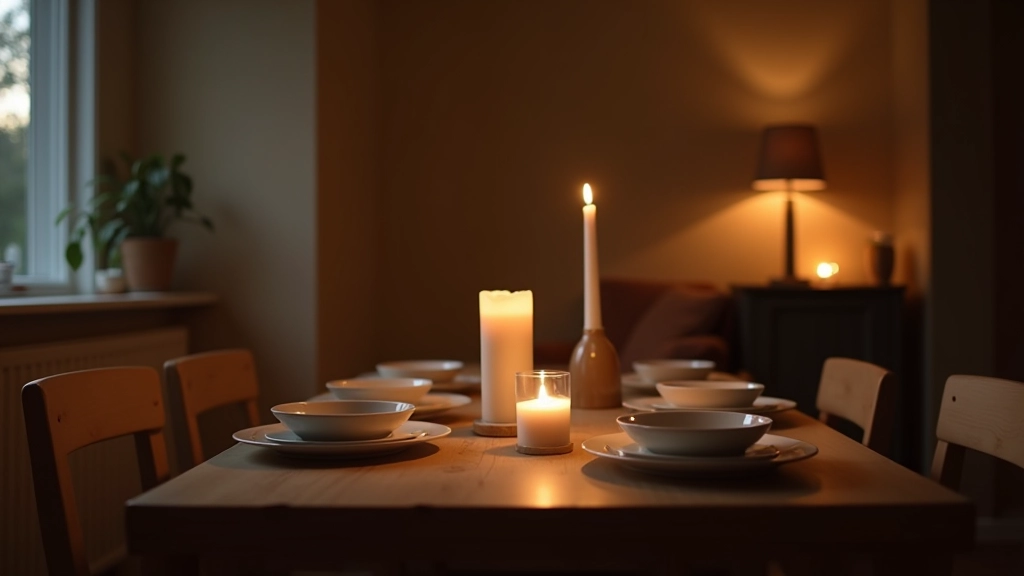
Ambient Lighting for Dark Irish Evenings
Using light and layering to create warmth and atmosphere when daylight's in short supply.
Arrange What Remains With Purpose
Once you've decided what stays, how you arrange it determines whether your room feels minimalist or just empty. Grouping similar items together creates visual weight and purpose. Don't spread things out across shelves — cluster them intentionally.
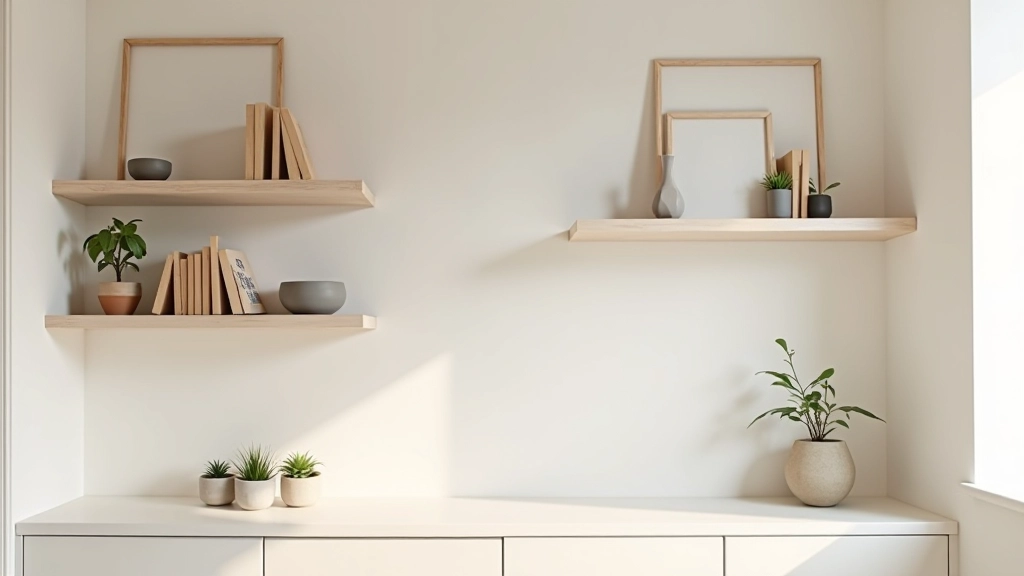
Think about negative space as a design element, not a problem to fill. The gaps matter as much as the objects. A single beautiful wooden bowl on a shelf, surrounded by air, has more impact than five mediocre things crammed in. The emptiness becomes part of the aesthetic rather than something that needs hiding.
Layer your surfaces. Don't treat a shelf like an empty canvas. Use it to tell a story — books stacked horizontally, a plant, a ceramic piece, then space. Vary heights and textures. This is how you keep minimalism from looking cold. It's still considered, still curated, but now it's warm too.
Use Texture to Add Depth Without Clutter
Here's the secret most people miss: texture does what color used to do in busier homes. Natural materials — wood, linen, wool, ceramic — create visual interest without adding visual noise. They're calming but not cold.
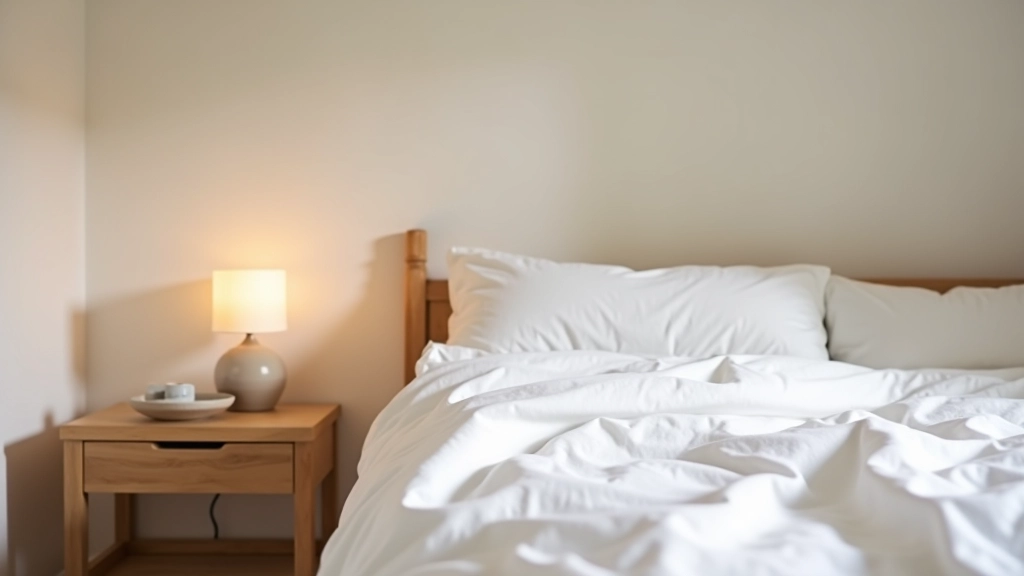
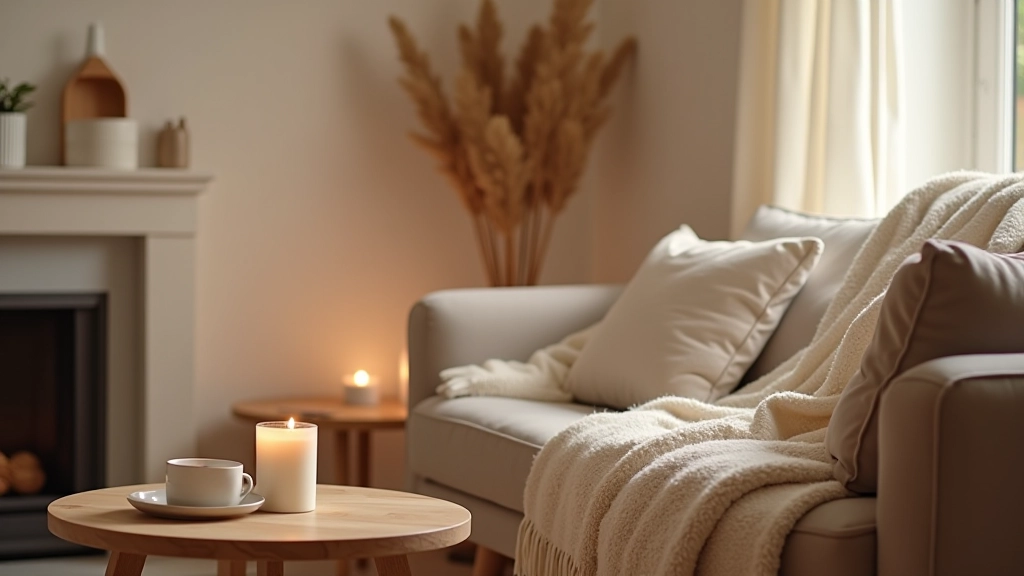
A cream linen throw on a simple sofa isn't clutter. It's warmth. A chunky knit cushion, natural wood shelving, a woven rug in neutral tones — these create dimension and comfort. The room feels lived-in because it's tactile, not because it's full of things.
And don't forget about wall treatment. In Irish homes with limited light, painted walls matter enormously. A soft warm white or subtle greige makes a space feel bigger while staying cosy. The right paint color does the work of a hundred decorative objects.
Light Creates Atmosphere, Not Clutter
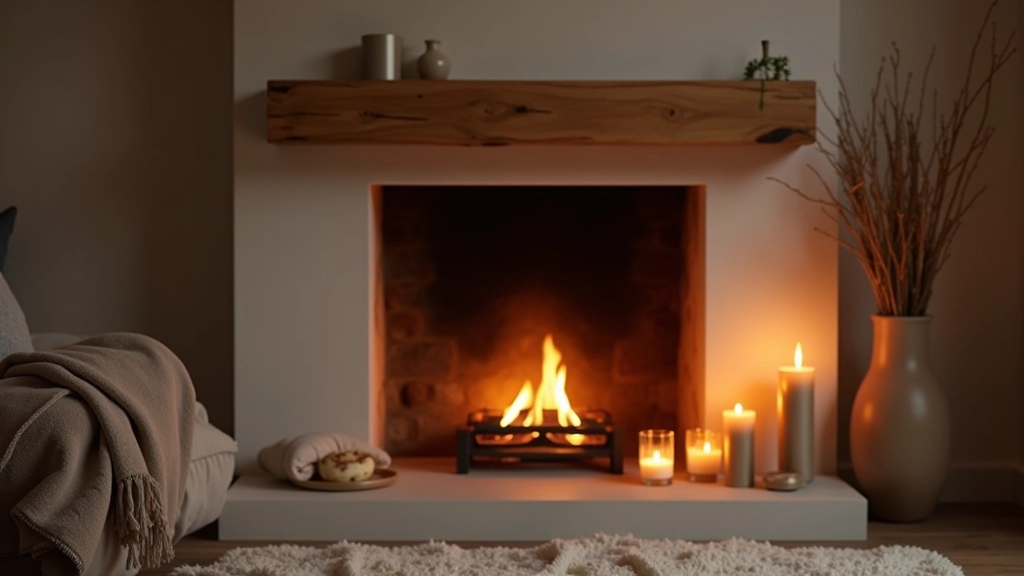
In Ireland, where evenings arrive at 4pm in winter, lighting is everything. And you don't need decorative objects to light a room properly. Candles, soft lamps, and thoughtfully placed light sources do more for atmosphere than any ornament could.
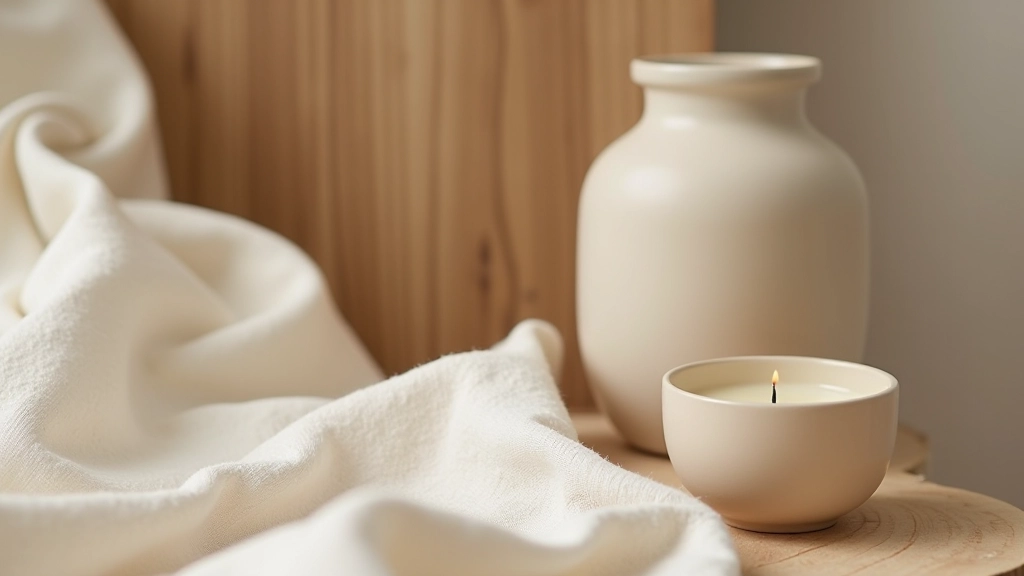
A simple ceramic candle holder — just one or two in neutral tones — becomes a focal point when lit. A floor lamp with a linen shade creates zones without visual clutter. These elements feel substantial and beautiful without making the room feel stuffed.
The goal isn't to eliminate objects completely. It's to be ruthless about what earns its place. Does it function? Does it bring you joy? Does it contribute to the feeling you want in that room? If the answer to all three is yes, it belongs. Everything else goes, no exceptions.
The Cosy Minimalist Home Isn't an Accident
Creating a decluttered space that still feels warm and inviting takes intention. It's not about getting rid of everything — it's about being deliberate with what stays. Every item, every surface, every corner serves a purpose or brings genuine pleasure.
Start small. Pick one room. Remove 40% of what's there. Arrange the rest with care. Add texture through natural materials. Layer your lighting. Then step back and notice how different it feels. Calmer. More spacious. And paradoxically, warmer too.
That's the real promise of minimalism in an Irish home — not empty rooms that echo, but thoughtfully curated spaces where everything matters and nothing distracts from what actually brings you peace.

Author
Síle O'Donnell
Senior Interior Design Correspondent
Interior designer and writer specialising in warm, minimalist living spaces designed specifically for Irish homes and Irish weather.