
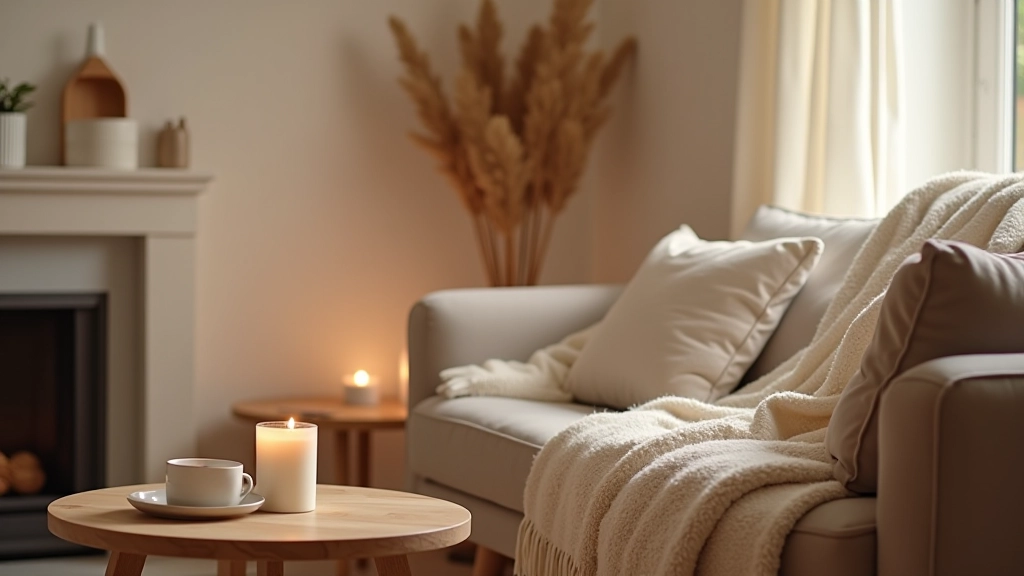
Designing Restful Bedrooms Through Simplicity
How removing visual clutter and choosing quality over quantity creates spaces that naturally promote better sleep and relaxation.
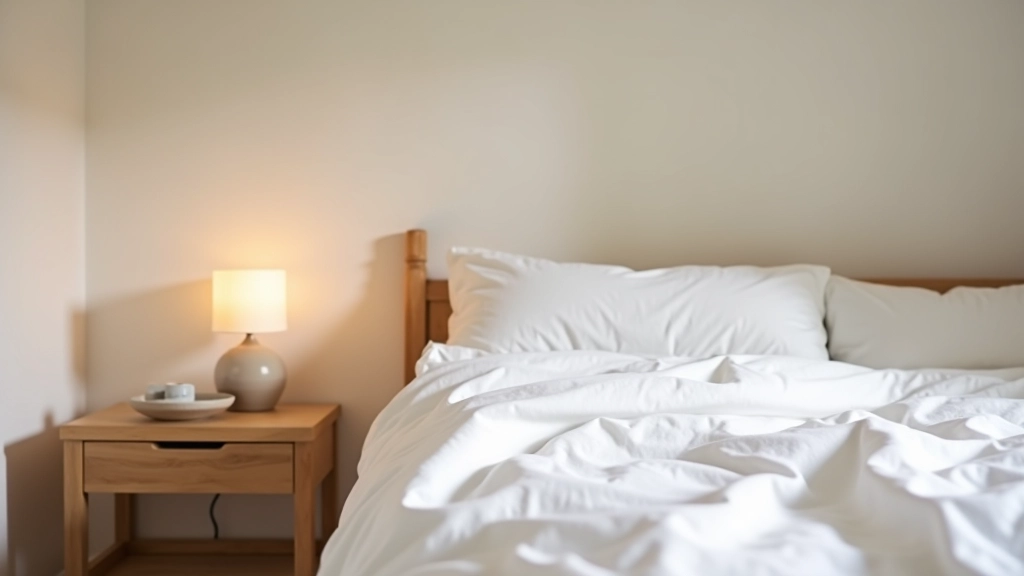
Your bedroom isn't just a room. It's where you spend roughly a third of your life, and it's the place that should feel most like yours. Yet most bedrooms feel like they've been assembled from a catalog — too much furniture, too many patterns, too much noise competing for attention. And that chaos works against you.
When you strip away the unnecessary, something unexpected happens. The room doesn't feel cold or empty. It feels calm. Intentional. It starts working for you instead of against you. A simpler bedroom isn't about sacrifice — it's about creating the conditions where good sleep actually happens. That's what we're exploring here: the practical approach to designing a bedroom that genuinely supports rest.
Start With the Essentials
A good bed. A way to control light. Storage for your clothes. That's honestly it. Everything else is negotiable.
Most people overcomplicate this. They add a dresser, a nightstand, a bench at the foot, maybe a chair for reading. Then there's the decorative pillows, the throw blanket, the wall art. And suddenly you're managing dozens of objects instead of sleeping.
Start by listing what you actually use. Not what you think you should have. What do you actually reach for? If you don't sit in that chair, it's taking up space. If you've got twelve pillows but sleep on three, you're creating visual clutter that keeps your brain slightly activated when it should be winding down.
The Core Three
- A bed that's comfortable and built to last (natural wood or simple metal frame)
- Blackout curtains or shutters for controlling light
- Adequate wardrobe storage (one good dresser or built-in closet)

The Power of Empty Surfaces
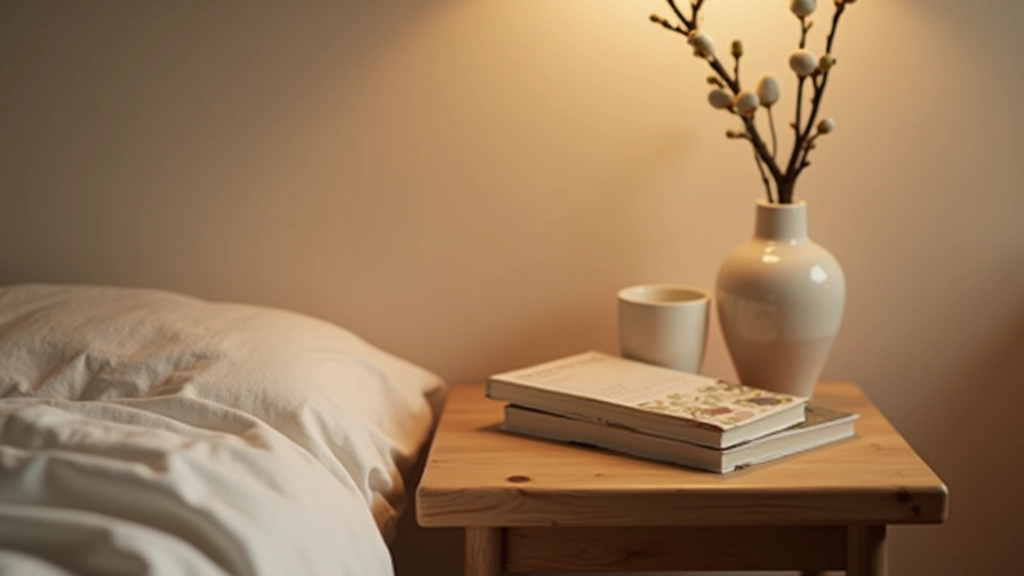
Your nightstand should have maybe three things. That's not minimalism being extreme — it's neuroscience. Every object in your visual field requires a tiny bit of processing. Your brain's cataloging it, categorizing it, deciding if you need to do something about it. Multiply that across twenty objects and you've created background stress that interferes with sleep.
An empty surface is a rested surface. One book, a lamp, a glass of water. Maybe a small plant. That's genuinely enough. Your eye moves across the room and settles. There's nothing demanding attention. Your nervous system downregulates naturally.
The same principle applies to walls. Don't cover them completely. One piece of art that you genuinely love — not several pieces competing for attention. The empty space around it actually makes the art more powerful. It breathes.
About This Article
This article provides general design principles and educational information about bedroom simplicity and minimalist interiors. Individual circumstances vary considerably. Sleep quality is influenced by many factors including temperature, humidity, personal preferences, and medical conditions. If you're experiencing persistent sleep difficulties, consult a sleep specialist or healthcare provider. Design choices should be adapted to your personal needs, cultural preferences, and lifestyle. We're sharing what works for many people — you'll need to experiment to find what works best for you.
Warmth Through Natural Materials
Here's where simplicity meets comfort. You're not just removing things — you're choosing better things. Natural wood, linen, wool, cotton. These materials have a quietness to them. They don't shout. They settle in.
A solid wood bed frame feels different than particle board. It's more stable, visually calmer, and it lasts decades instead of years. Linen sheets wrinkle, but that texture is part of their appeal. They breathe better than high-thread-count cotton and improve with washing. A wool blanket — even just one quality piece — adds genuine warmth without visual bulk.
The trick is choosing materials that are actually nice to live with. Not the cheapest option (which creates more stuff you'll want to replace) and not the most expensive designer version (which adds anxiety about maintaining it). The middle ground: solid, honest materials that improve with use.
Materials That Work
Solid wood for the bed frame and any furniture. Linen or cotton for bedding. A quality wool blanket or throw. Plaster or painted walls in soft, muted tones. One or two natural fiber rugs if the floor feels cold. That's genuinely all you need.

Light Control Matters More Than You Think
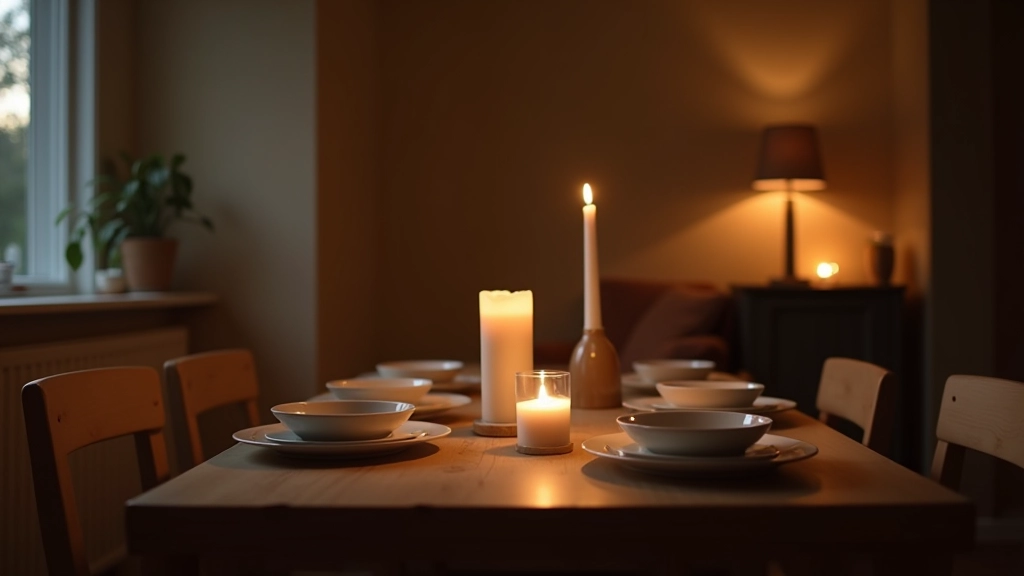
You can't sleep well if light is leaking in. Full stop. This isn't negotiable. Blackout curtains, thermal blinds, or wooden shutters — something that genuinely blocks light. Not semi-transparent curtains that look nice but let street light pour through at 5 AM.
In Ireland especially, you've got an advantage. During winter months, darkness comes early. Use that. Make your bedroom actually dark. Your melatonin production depends on it. And during summer when the sun rises at 4:30 AM, you'll need that light control more than ever.
This is also where simplicity pays off. One set of blackout curtains that work beautifully looks better than multiple layers competing for visual space. Choose a color that complements your walls and call it done.

Sleep Happens in Simplicity
You don't need a perfect bedroom. You need a functional one. One where your attention can rest because there's nothing demanding it. One where the materials feel good and the light works with you instead of against you.
The best part? This approach is cheaper than the alternative. You're not buying multiple pieces of mediocre furniture. You're buying fewer pieces of good furniture. You're not replacing textiles every few years. You're investing in things that actually improve with time.
Start small. Pick one change. Maybe it's clearing your nightstand completely. Maybe it's investing in one good linen sheet set. Maybe it's finally hanging proper blackout curtains. See how it feels. Notice how you sleep. Then build from there. Simplicity works best when you make it yours, not when you force it.