
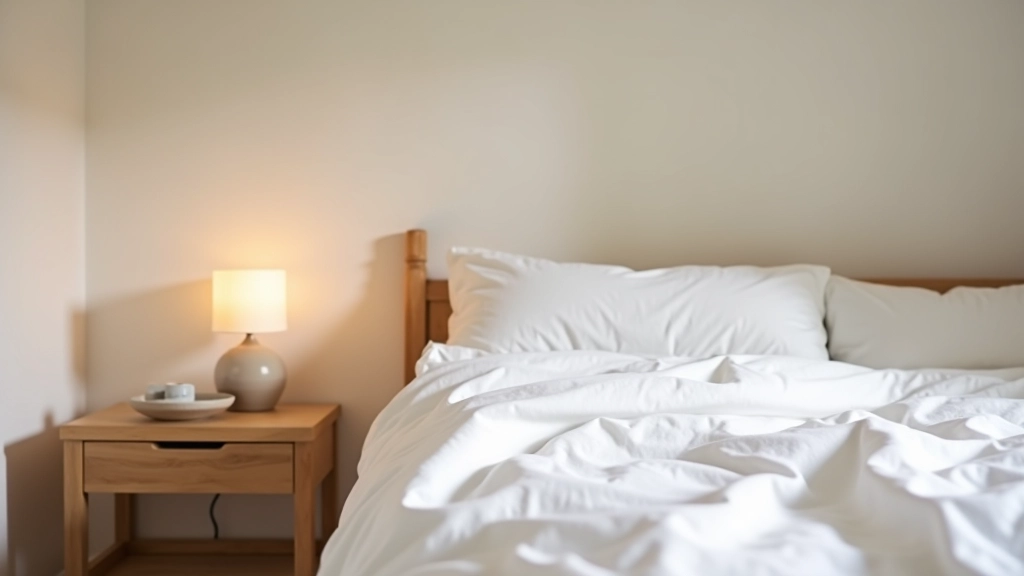
Soft Textiles and Natural Wood: Building Warmth
The key materials that make minimalist interiors feel inviting rather than cold — choosing pieces that last and age beautifully.
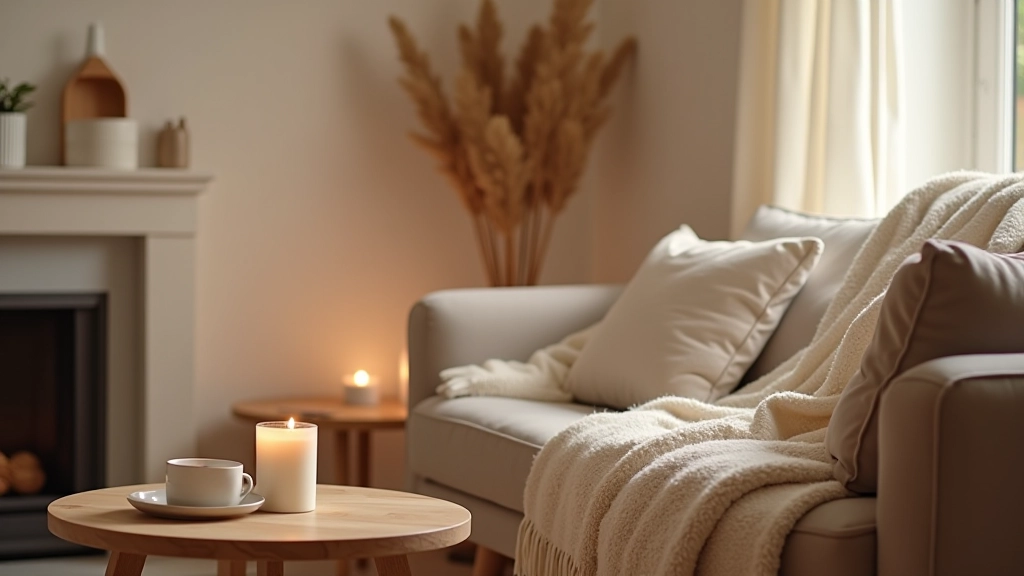
Why Materials Matter in Minimalist Design
There's a common misconception about minimalism — that it's cold, austere, unwelcoming. But it's not about emptiness. It's about intention. When you remove the clutter, the materials you choose become the foundation of how a room feels. A single wooden chair wrapped in a linen throw can warm an entire corner. Natural textures don't just look good. They actually change how comfortable you feel in a space.
In Irish homes especially, where evenings are long and light is precious, the right materials transform a room from sterile to sanctuary. We're not talking about filling spaces with things. We're talking about choosing materials that age beautifully, that develop character, that you'll actually want to touch. That's the real difference between minimalism that works and minimalism that feels like punishment.
The Case for Natural Wood
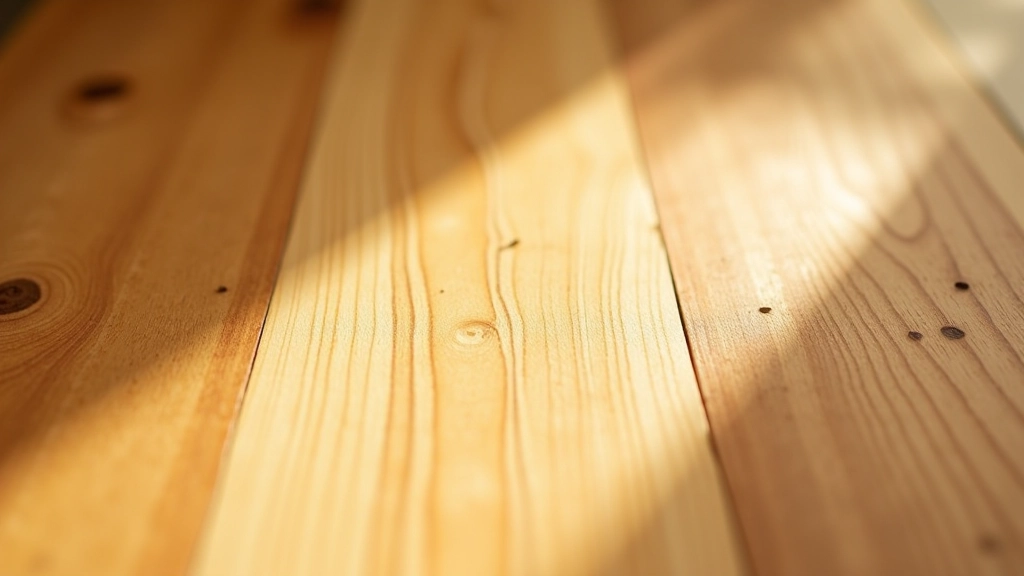
Wood is honest. Unlike particle board or veneers, solid wood actually gets better with time. It develops a patina. Scratches become part of its story rather than damage to be hidden.
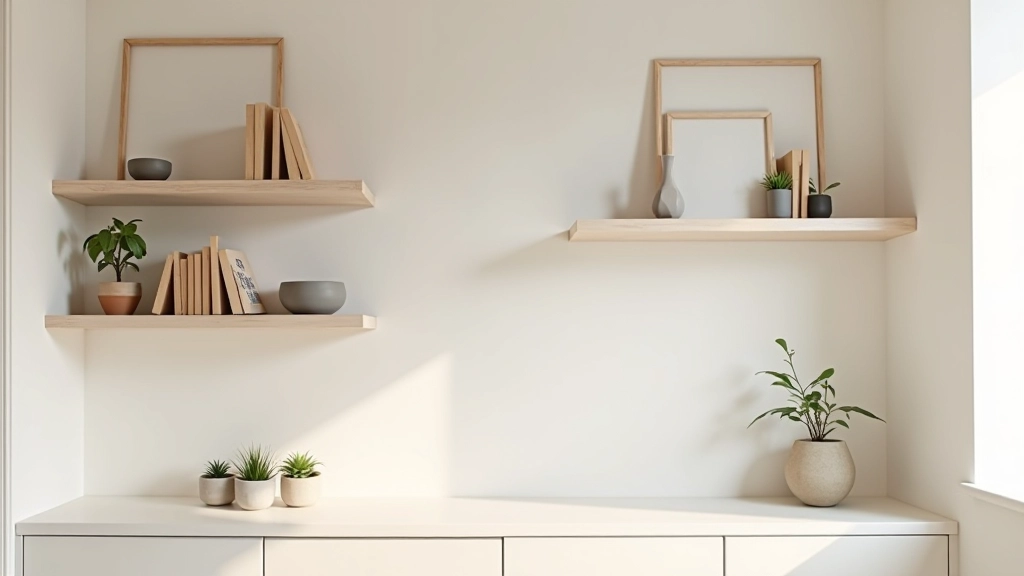
For minimalist spaces, you don't need lots of wood pieces — just the right ones. A solid oak table. A pine shelving unit. A walnut side table. These become anchors in a room. They're warm without being busy. And they'll likely outlast three trendy sofas.
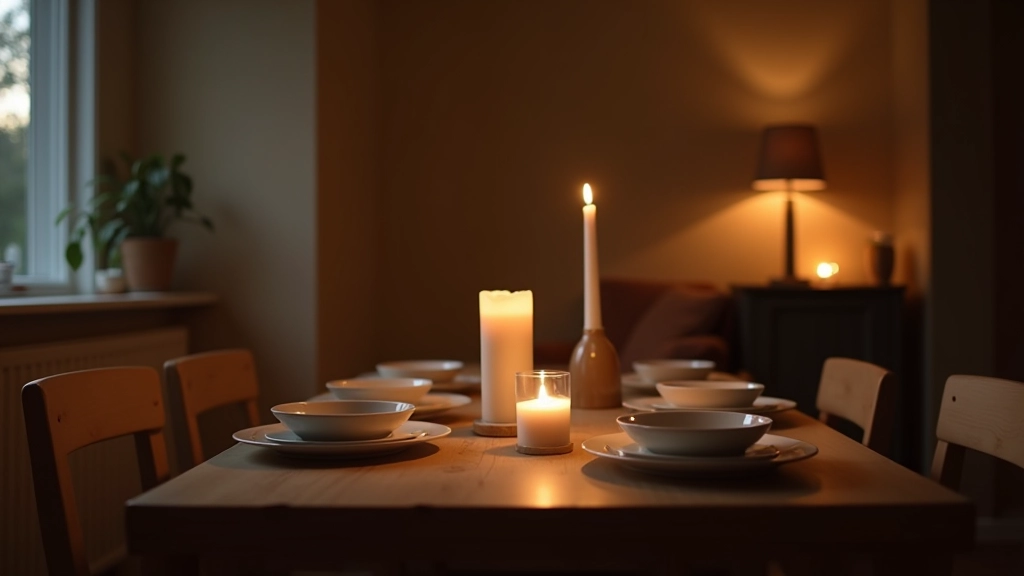
Real example: A 4-person oak dining table costs more upfront than pressed wood alternatives. But in 15 years, it's still solid, still beautiful, still functional. That one piece justifies itself.
The grain patterns, the slight variations in colour — these imperfections are what make wood feel alive in a room. They're also why you can't go full minimalist with plastic or metal alone. Wood softens everything. It makes spaces feel inhabited, even when they're spare.
Soft Textiles That Actually Invite Touch
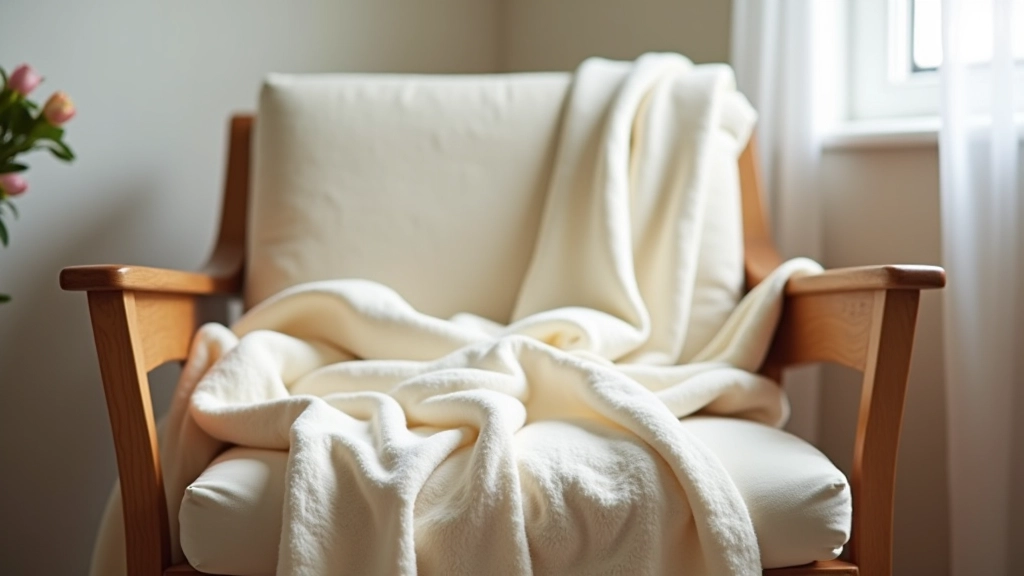
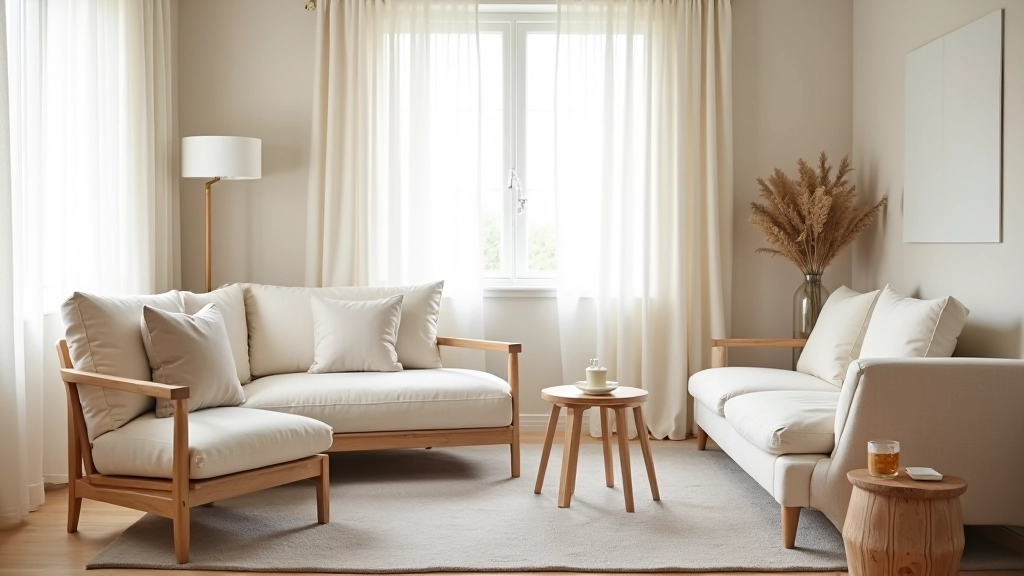
This is where minimalism gets its warmth. Not from colour or pattern, but from texture. A linen curtain. A wool throw. A cotton cushion. These aren't decorations — they're functional pieces that change how a room feels.
The key is choosing natural fibres. Wool regulates temperature, so it's genuinely warmer. Linen breathes, making rooms feel less stuffy. Cotton ages beautifully, softening with every wash. These materials aren't trends. They've been used for centuries because they work.
- Wool: Best for throws, blankets, rugs. Insulates without bulk.
- Linen: Perfect for curtains and cushions. Slightly textured, very durable.
- Cotton: Versatile for everything. Gets softer every time you wash it.
- Linen-cotton blends: Combines durability with softness.
In minimalist design, you're typically using 2-3 textile pieces per room maximum. That means they need to earn their place. Choose textures you actually want to touch. A rough wool throw isn't inviting. A buttery-soft linen cushion is.
About This Guide
This article offers general design guidance for creating cosy minimalist spaces. Interior design preferences vary based on personal style, budget, and specific circumstances. While these principles are widely recognised in design practice, you might adapt them based on your own needs, climate, and aesthetic preferences. Always measure spaces before purchasing furniture, and consider consulting with a designer if you're undertaking a major room redesign.
Colour Palette: Neutral Doesn't Mean Boring
Minimalist spaces often use neutral palettes — creams, greys, warm whites. But neutral doesn't mean flat. Wood brings warmth. Linen brings texture. Even within a limited colour range, you've got depth.
The Irish light is cool and soft most of the year. Warm wood tones counteract that. A honey-toned oak table against white walls doesn't feel clinical. It feels grounded. Pair it with cream or grey textiles, and you've created a sophisticated, warm space without any bold colours.
Pro tip: If your space feels too grey, add warm wood. If it feels too brown, balance with cooler textiles like greige linen. The materials themselves create the palette.

Continue Reading
The Long View
Minimalism isn't about having less stuff. It's about choosing things that matter. When you invest in solid wood and natural textiles, you're not following a trend. You're making decisions that'll serve you for decades. That wooden chair you buy today could still be in your home in 20 years, looking better than it did when it arrived. The wool throw will only get softer.
In Irish homes where the weather's often grey and the light's precious, this approach works. You're not fighting minimalism. You're using it as a framework to make spaces genuinely warm and genuinely yours. That's the whole point.